


Picture this: you’ve spent hours kneading, mixing, and baking, and now your home kitchen is a goldmine of scrumptious treats. You’re the Picasso of pastries, the Shakespeare of scones, but there’s one final frontier to conquer before your masterpieces can grace the shelves of local markets – packaging and labeling under cottage food laws. Fear not, for I am your trusty guide on this journey to culinary compliance.
Body:
1. It’s a Wrap: The Beauty of Proper Packaging
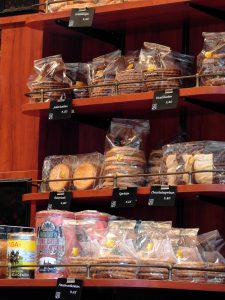
Like a knight donning his shining armor, your baked goods need a protective barrier to face the world. Under cottage food laws, packaging should be clean, sturdy, and impermeable. Think of it as a fortress for your delicious delights, guarding against contaminants and preserving freshness. Whether you’re using plastic clamshells or cellophane bags, make sure they’re as reliable as a valiant steed.
2. The Art of Labeling: A Tale of Information and Allure
Labeling your home-baked products is where the magic truly lies. It’s where you can weave a story that whisks customers away to a land of indulgence. But remember, even the most enchanting tales must adhere to the rules of the realm. Your label needs to include:
– The name of your product (let your creativity soar like a phoenix, but be clear and concise)
– The ingredients (a trail of breadcrumbs leading back to the source)
– The weight or quantity (a measure of your boundless generosity)
– Your name and address (the humble abode of the creator)
– A disclaimer stating that the product was made in a home kitchen (an honest proclamation to your loyal subjects)
3. Allergen Alerts: Guardian Angels of the Ingredient Kingdom
In the land of culinary delights, allergens can be mischievous tricksters. Unmask them by clearly listing common allergens (such as nuts, dairy, and gluten) on your label. By doing so, you’ll provide a beacon of safety to those navigating the treacherous waters of food allergies.
4. Sealing Your Fate: The Royal Decree of Compliance
Once you’ve adorned your creations with captivating labels and sturdy armor, it’s time to ensure they meet the requirements of your kingdom’s cottage food laws. Reach out to your local health department or regulatory agency for guidance and approval. With their blessing, you’ll be ready to unleash your culinary masterpieces upon the world.
Conclusion:
In the realm of home baking, packaging and labeling are the gatekeepers to success. By following cottage food laws and embracing the art of storytelling, you’ll transform your scrumptious creations into a symphony of compliance and allure. Now, go forth and conquer the world, one tantalizing treat at a time!
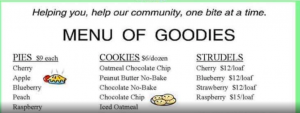
 It is not quite enough to be a really good baker to make money doing it., The fact is no matter what your talent or skill is, it probably won’t bring in
 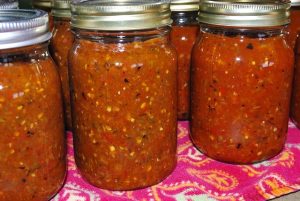 health bars, nuts/seeds, crackers. Maybe pastries are your specialty, fruit pies, fruit tarts, fruit empanadas, or cones.
 states have passed cottage food laws. But, and there always seems to be a “but” that lurks in the shadows, for many, although they are now legally able to sell their baked goods from home, have hit a wall at how to get the word out that they are open for business. There is good news , it is not as hard as it used to be to let people know you are ready and willing to make delicious baked goods for them. You are now a click away from a sale if you set it up correctly.

 Shortly after the cottage food laws were passed with a large majority, the health department began to greatly limit what cottage laws could permit. They tried for two consecutive years to get changes to the laws passed with no success.